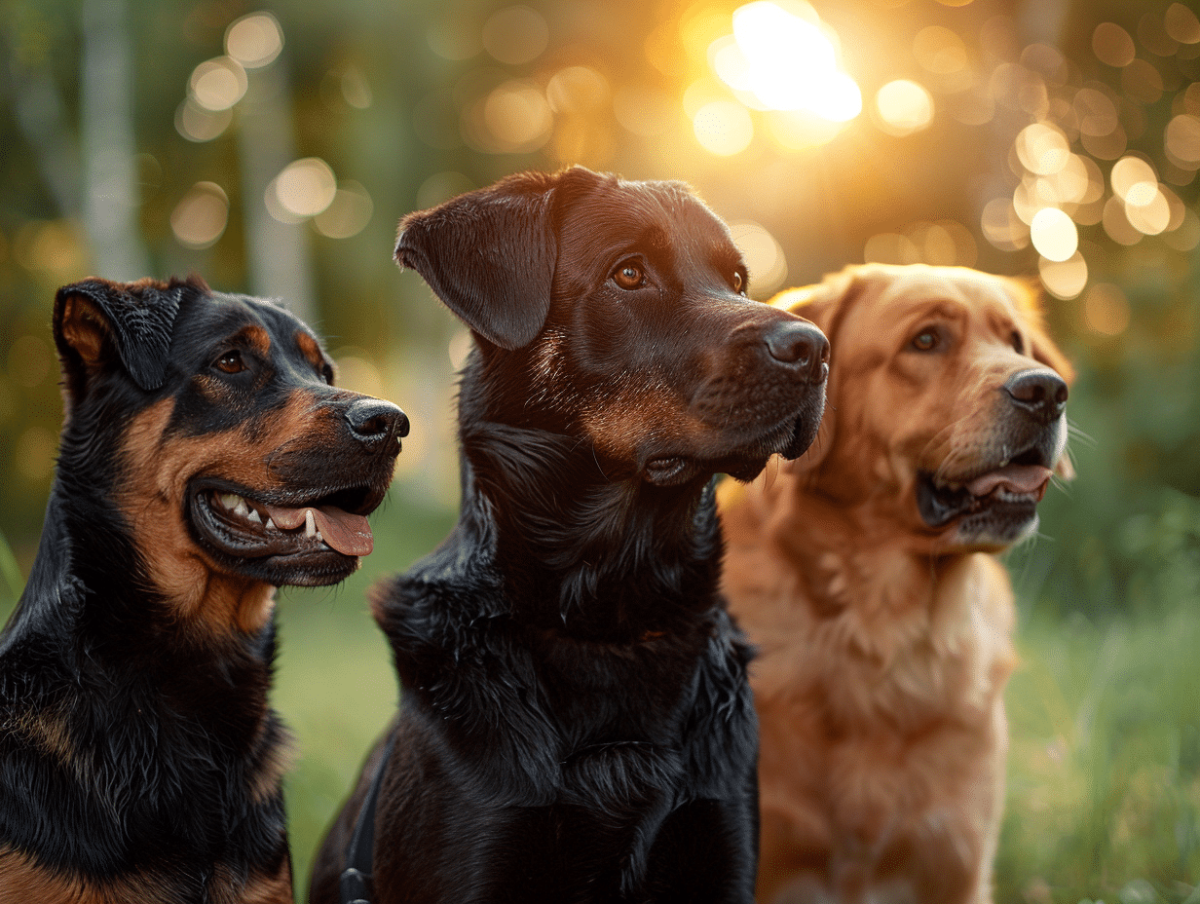
The world of dogs is fascinating, especially regarding their diversity. Bite force, often discussed, varies significantly among the most popular breeds. This difference can influence behavior, working abilities, and the specific needs of each breed.
Studies show that breeds like the Rottweiler and the German Shepherd possess impressive bite force, often exceeding that of other breeds. On the other hand, dogs like the Labrador Retriever, while robust, exhibit lower bite force. This comparison helps to better understand the capabilities and needs of each four-legged companion, thus facilitating the choice of a dog suited to one’s expectations and lifestyle.
The mechanisms of canine biting and their measurement
Understanding the bite force of dogs involves looking into the underlying mechanisms of this power. Bite force, measured in newtons or PSI (pounds per square inch), varies depending on the breed and the anatomical structure of the dog.
Measurement units
- Newtons: unit of force measurement in the International System (SI). One newton is the force required to accelerate one kilogram of mass at a rate of one meter per second squared.
- PSI: pressure unit primarily used in Anglo-Saxon countries. One PSI is the pressure exerted by a force of one pound-force acting on an area of one square inch.
Factors influencing bite force
The bite force of a dog is determined by several factors:
- The structure of the jaw and associated muscles.
- The size and physical power of the animal.
- The behavior and specific training of the dog.
A fighting dog like the Rottweiler exhibits a higher bite force compared to an assistance dog such as the Labrador. For example, the Malinois jaw pressure averages 195 PSI, while the Rottweiler can reach up to 328 PSI.
Unit conversion
To facilitate understanding of the measurements, here is a simplified conversion table:
| Unit | Conversion |
|---|---|
| 1 newton | 0.101972 kilogram-force |
| 1 newton | 0.224809 PSI |
| 10 newtons | 2.24809 PSI |
Thus, the bite force of dogs is measured in newtons or PSI, and these units allow for an objective comparison of the capabilities of different breeds.
Comparison of bite force by dog breed
The diversity of dog breeds and their unique characteristics are reflected in their bite force. At the top of the list, the Kangal stands out with an impressive bite force of 743 PSI. Considered one of the most powerful breeds, this guard dog from Turkey is renowned for its strength and effectiveness in protecting livestock.
The Cane Corso, an Italian mastiff, follows with a pressure of 700 PSI. Historically used for big game hunting and guarding, this dog combines strength and agility. The Dogue de Bordeaux and the Tosa Inu, each showing a force of 556 PSI, also demonstrate formidable capabilities, often used in protection and deterrence contexts.
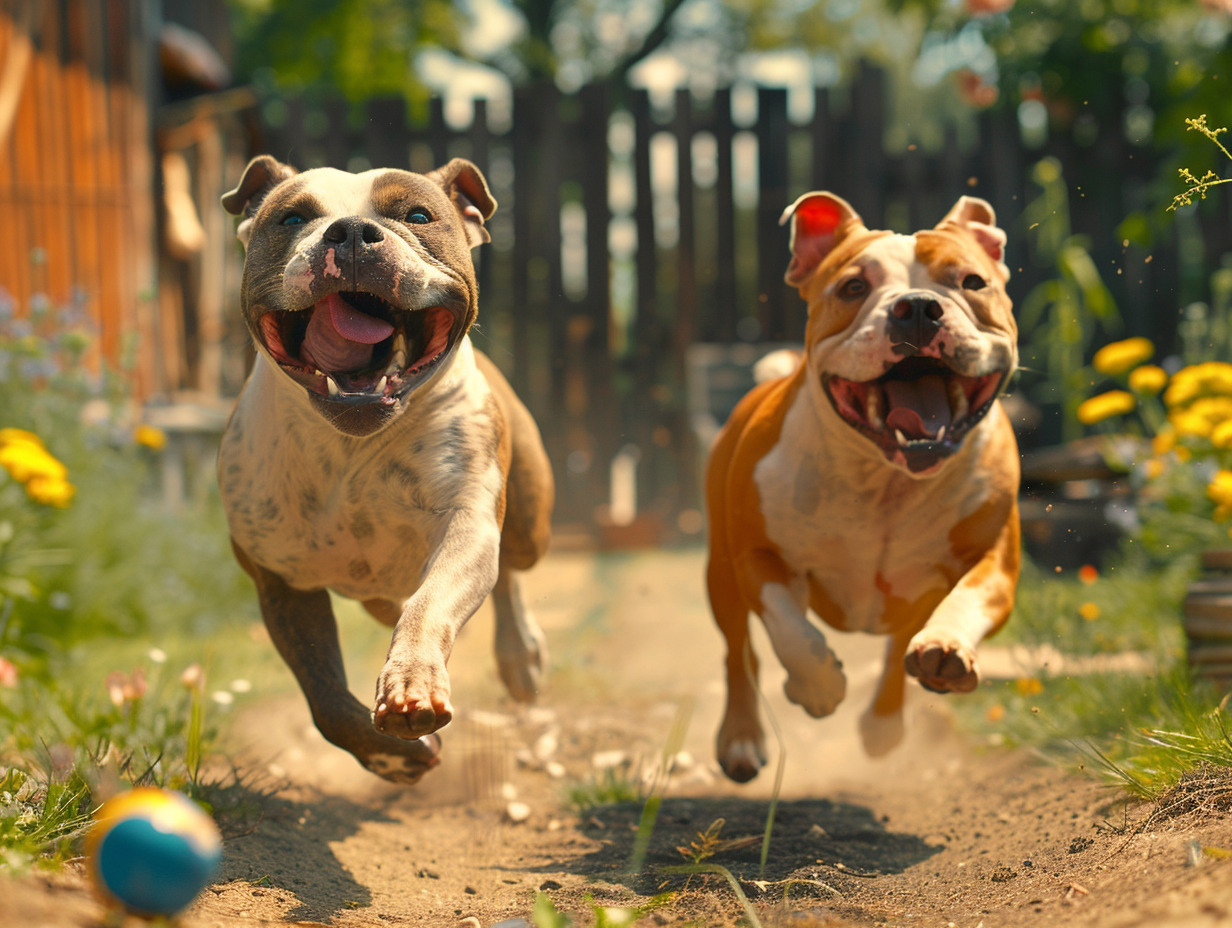
Among other notable breeds, the Mastiff stands out with a bite force of 552 PSI, while the Rottweiler reaches 328 PSI. The American Bulldog, with its 305 PSI, shows the extent of its power despite a deceptive appearance.
The Doberman and the German Shepherd, breeds often associated with law enforcement, possess bite forces of 245 PSI and 238 PSI, respectively. The Pitbull, despite its smaller size, displays a pressure of 235 PSI, reflecting its tenacious character.
The Chow Chow and the Belgian Malinois complete this analysis with bite forces of 220 PSI and 195 PSI, respectively, demonstrating that power is not limited to just large dogs.