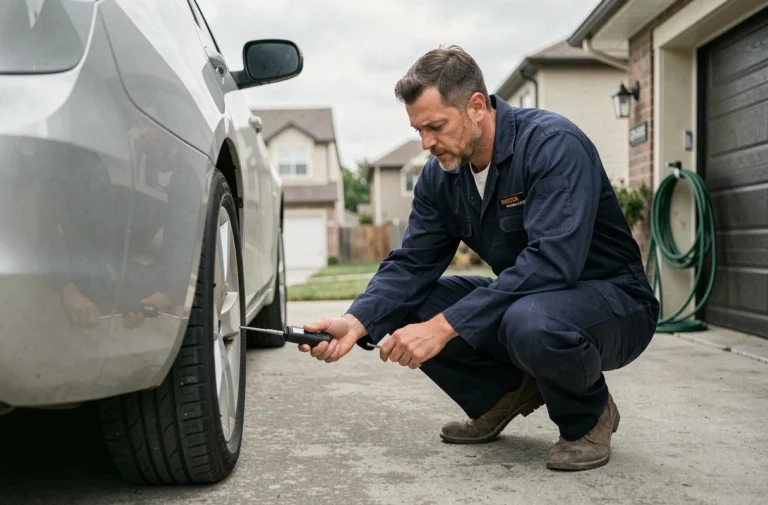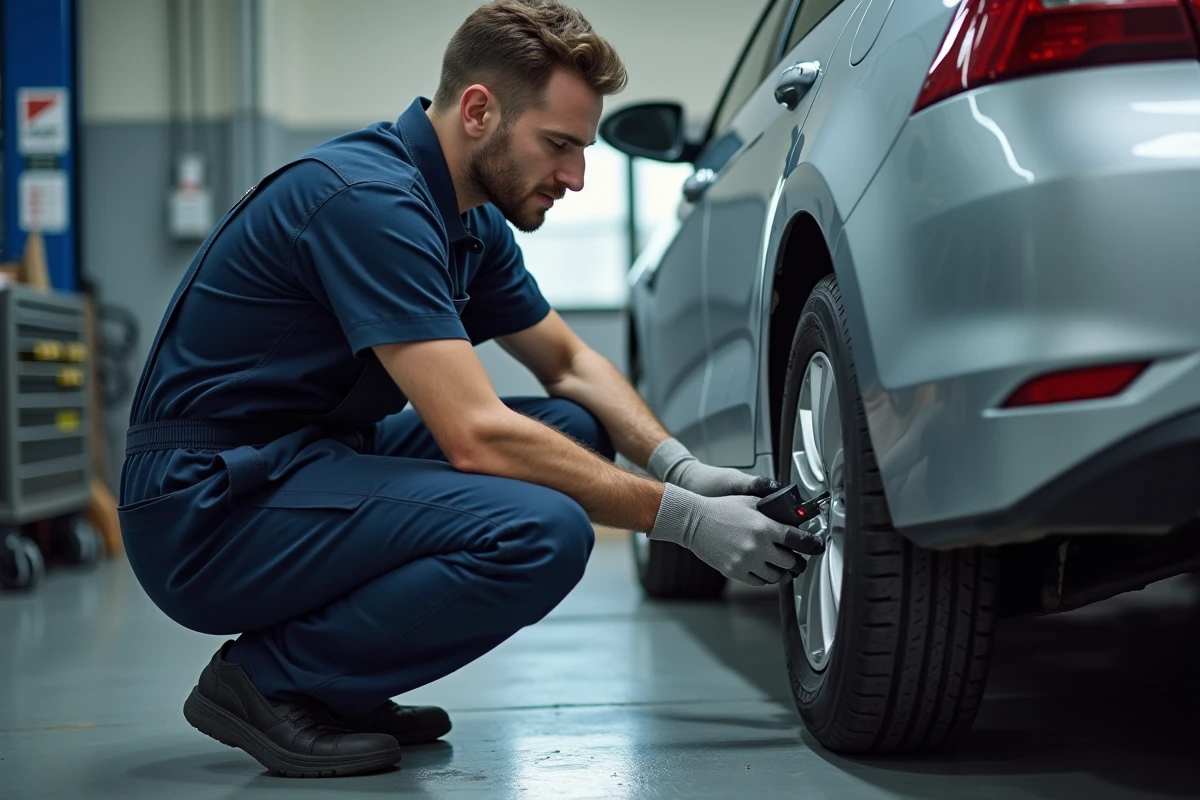
A tire ensures contact between the vehicle and the road over a surface equivalent to the palm of a hand. This grip area, reduced to a few square centimeters per wheel, determines braking capacity, cornering stability, and high-speed stability, whether the vehicle is a sedan, an SUV, or a sports motorcycle.
Instant Torque of Electric Vehicles and Accelerated Tire Wear
Electric motors deliver their maximum torque from the start. This technical characteristic, absent in conventional thermal engines, subjects the tread to significantly higher mechanical stress during each acceleration.
On an electric car, front tire wear can be significantly faster than with a comparable thermal engine. The weight of the batteries, often concentrated in the floor, amplifies this phenomenon by increasing the permanent load on each wheel.
For electric motorcycles, the situation is similar. Instant torque puts brutal stress on the rear tire, especially on wet roads where the rubber must compensate for the lack of mechanical progression. Choosing a tire designed to withstand these constraints, with a reinforced casing and a compound suited to the high weight, extends lifespan and preserves grip. Specialized resources like Auto Moto Pneu allow for comparison of references designed for this type of powertrain.
Reading Tire Markings for Cars and Motorcycles
The sidewalls of a tire carry all the necessary information for choosing a correct replacement. On a car, a marking like 205/55 R16 91V indicates the width in millimeters, the aspect ratio, the type of construction (radial), the rim diameter in inches, the load index, and the speed rating.
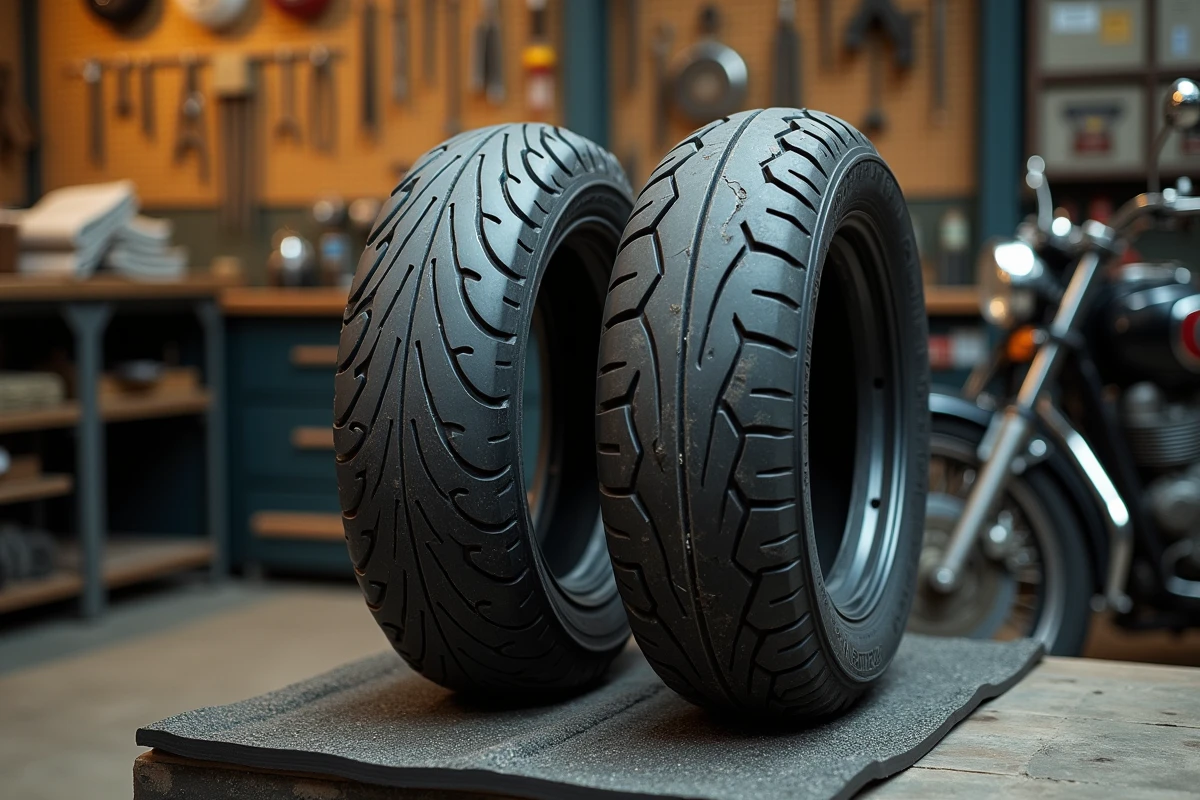
On a motorcycle, the logic is similar but the size and profile differ radically. A front tire for a sports bike has a narrower profile and a taller sidewall than a rear tire, to facilitate leaning into corners. Touring tires prioritize a wider tread and a harder compound, designed to handle long distances on the road.
- The load index must correspond to the total weight of the vehicle in working order, including passengers and luggage. An undersized index causes excessive heating of the casing.
- The speed rating (H, V, W, Y) must be equal to or higher than the vehicle’s maximum speed. Fitting a tire with a lower rating is prohibited by regulations.
- The M+S mention or the 3PMSF pictogram (alpine snowflake) identifies tires approved for winter use. In mandatory mountain areas, only tires bearing the snowflake are accepted.
- The manufacturing date, coded in four digits (week and year), allows for checking the age of the tire. A tire stored for more than five years loses elasticity even without being used.
Inflation Pressure: Control and Consequences on Handling
Inflation pressure is the most neglected maintenance parameter and the most determining. An under-inflated tire increases rolling resistance, raises internal temperature, and accelerates wear on the edges of the tread. An over-inflated tire reduces the contact area, decreases grip, and causes concentrated wear in the center.
Checks should be made when cold, before any trip. Reference values are found on the manufacturer’s label affixed to the door frame (car) or in the user manual (motorcycle). These values vary according to the load carried.
Motorcycle Specifics for Pressure
On a motorcycle, the rear pressure often differs from the front pressure, sometimes significantly. A rider traveling with a passenger or with saddlebags must increase the rear pressure according to the manufacturer’s recommendations. Riding in sport mode with touring pressure degrades steering precision when entering a corner.
TPMS sensors, increasingly common on recent cars, alert in case of pressure loss. On motorcycles, these sensors remain rare as original equipment; a manual gauge remains the most reliable means of regular checking.

Tire Wear: Spotting Signs and Anticipating Replacement
Each tire incorporates wear indicators molded into the main grooves. When the rubber reaches the level of these indicators, the remaining tread depth is at the legal minimum. Below this threshold, water evacuation is no longer guaranteed, and the risk of aquaplaning increases significantly.
Wear does not always distribute evenly. Asymmetrical degradation (more pronounced on one side) indicates a misalignment issue. Sawtooth wear indicates a balancing problem or worn shock absorbers. On motorcycles, a “square” rear tire, flattened in the center of the tread, indicates predominantly highway use.
- Check wear indicators every month and before any long trip.
- Visually inspect the sidewalls for bulges, cracks, or foreign objects embedded in the rubber.
- Replace tires in pairs on the same axle to maintain balanced handling.
Tire Rotation on Cars
Regularly swapping the front and rear wheels (according to manufacturer recommendations) homogenizes wear. This operation is relevant on front-wheel-drive cars, where the front tires handle both traction and steering. On electric vehicles, which are heavier, regular rotation compensates for the increased stress related to the weight of the batteries.
The motorcycle is not subject to rotation, as the front and rear tires have different sizes and profiles. Replacement is done individually, based on the wear observed on each wheel.
Choosing a tire suitable for the vehicle, its use, and its powertrain directly affects road safety. A properly inflated tire, checked regularly and replaced before reaching the wear limit remains the most effective maintenance measure, regardless of the type of two or four wheels involved.