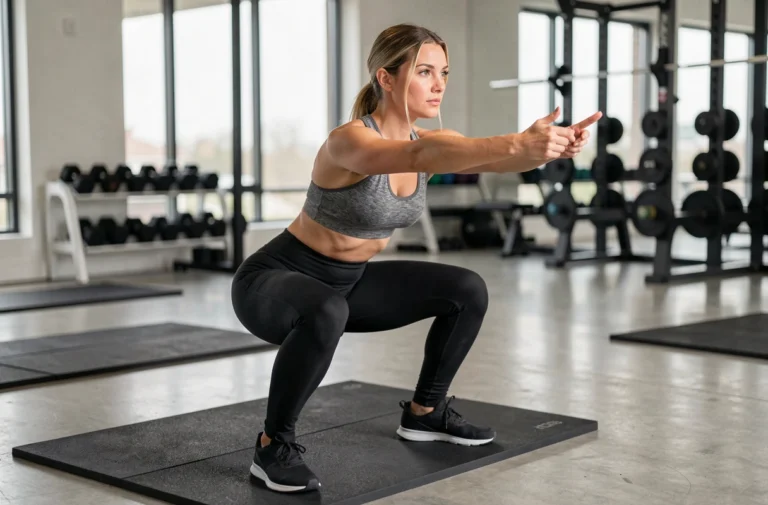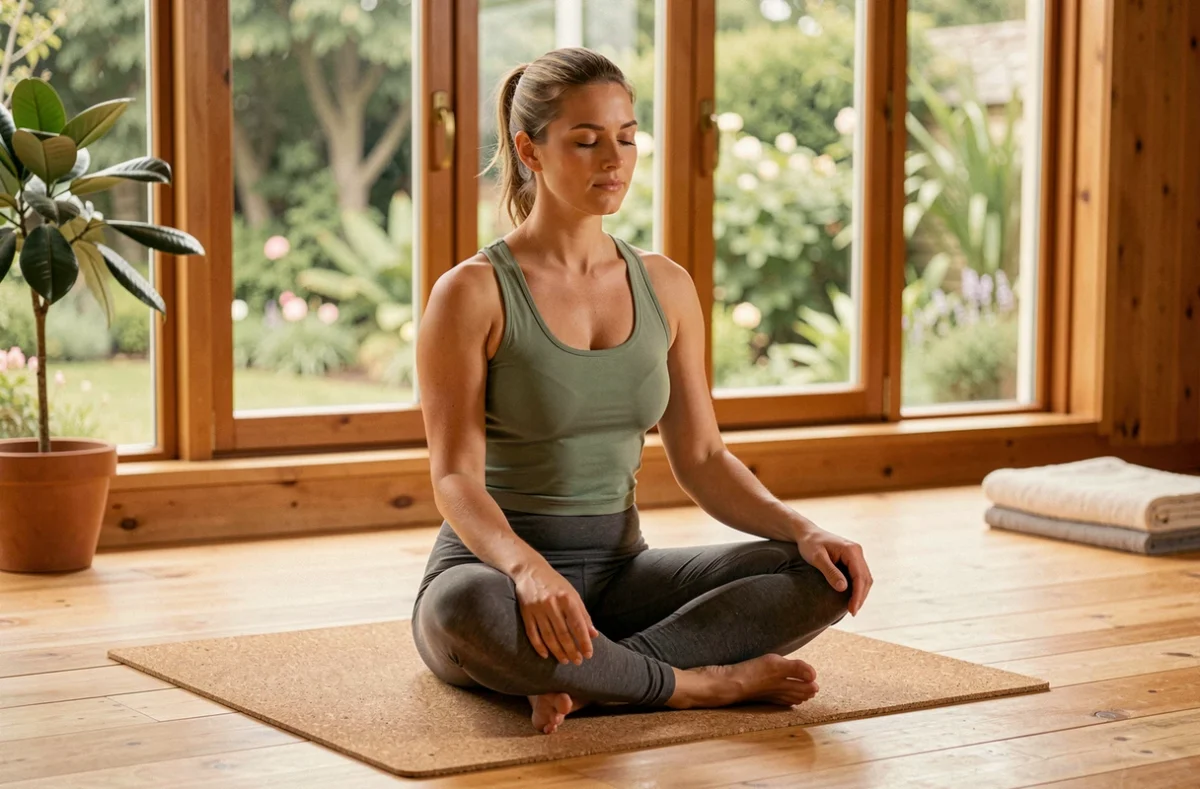
In France, sports participation is increasingly moving beyond traditional settings. The INJEP’s 2025 National Sports Participation Barometer confirms growth in commercial gyms and guided remote workouts, while club membership has declined compared with 2018. This shift changes how we can approach choosing an activity: the playing field is no longer limited to the municipal gym or local sports club.
Cost and commitment: the criteria sports quizzes don’t ask about
Most online tools for choosing a sport ask about your preferences (indoors or outdoors, solo or team, desired intensity). None asks how much you’re willing to spend each month or how long you plan to stick with it.
Cost doesn’t just determine whether you can get started in a sport. Above all, it affects how regularly you can take part. An annual tennis club membership, a monthly gym subscription, replacement running shoes: these recurring expenses affect people differently depending on their budget. Cost is a reason people give up, not just a factor in their choice.
Before committing, list the actual costs over six months:
- The registration or membership fee, including cancellation terms and any joining fees
- Initial equipment (racket, kimono, mat, specialist shoes) and how often it needs replacing
- Often-overlooked additional costs: travel, training camps, competitions, required clothing
A free or low-cost activity (brisk walking, running, yoga at home using online videos) may prove more sustainable than an exciting sport that’s financially difficult to maintain. Several platforms, including sport-univers.fr, let you compare sports and the equipment they require so you can plan for these expenses.

Sports goals and personal profile: more than a simple questionnaire
Quizzes offered by the Ministry of Sports or the French Federation of Sports for All point you towards broad categories of activities. They ask about your age, physical abilities and whether you’d like to exercise alone or in a group. The result is a general suggestion, not a diagnosis.
What these tools don’t account for is your actual day-to-day life. Before making a decision, it’s worth honestly assessing three factors.
Real availability, not theoretical availability
Saying “I want to exercise three times a week” isn’t enough. Check which time slots are genuinely free in your week, including travel time. An activity you do regularly once a week is better than an ambitious plan you abandon after two months. The rise in guided remote workouts, documented in the INJEP’s 2025 barometer, directly addresses these time and travel constraints.
Your relationship with your body and physical exertion
Some people seek physical exhaustion as an outlet. Others avoid any feeling of breathlessness. Between these two extremes, there’s a wide range of options: yoga, swimming, racket sports, dance and martial arts. Enjoying a session is a better predictor of consistency than the goal you set.
Racket sports (badminton, padel, table tennis) have also seen a marked resurgence since the Paris Games. Their advantage is that the intensity can be adjusted to suit your partner and the format of the game, making them accessible to people with a wide range of fitness levels.
Health considerations and adapted physical activity
For people who are new to sport, have a disability or live with a chronic condition, adapted physical activity (APA) offers a different starting point from conventional sport. Maisons Sport-Santé centres support people taking this approach. A doctor can prescribe APA, but this does not automatically mean that the French Health Insurance system will cover the cost—something many patients only discover later.
Trying a sport before committing: a practical approach
Competitors recommend “trying before you sign up.” It sounds obvious. The challenge is knowing what to look for during a trial and how long to give it.
One class is rarely enough. Your first session combines the novelty of the activity with social nerves and technical awkwardness. Three or four trial sessions give you a reliable sense of what the activity is like. Many clubs, gyms and associations offer introductory weeks in September or January.
During these trial sessions, focus on three signs:
- Whether you feel like coming back the next day, regardless of how well you performed
- The atmosphere of the group or venue: do you feel comfortable, or out of place among the people there?
- The practicalities: travel time, whether the schedule fits around work and family life, and whether suitable time slots are available
If two of these three signs are negative after three sessions, try a different sport without feeling guilty. The range of sports and leisure activities has never been wider: in a gym, outdoors, online, in a club or independently.
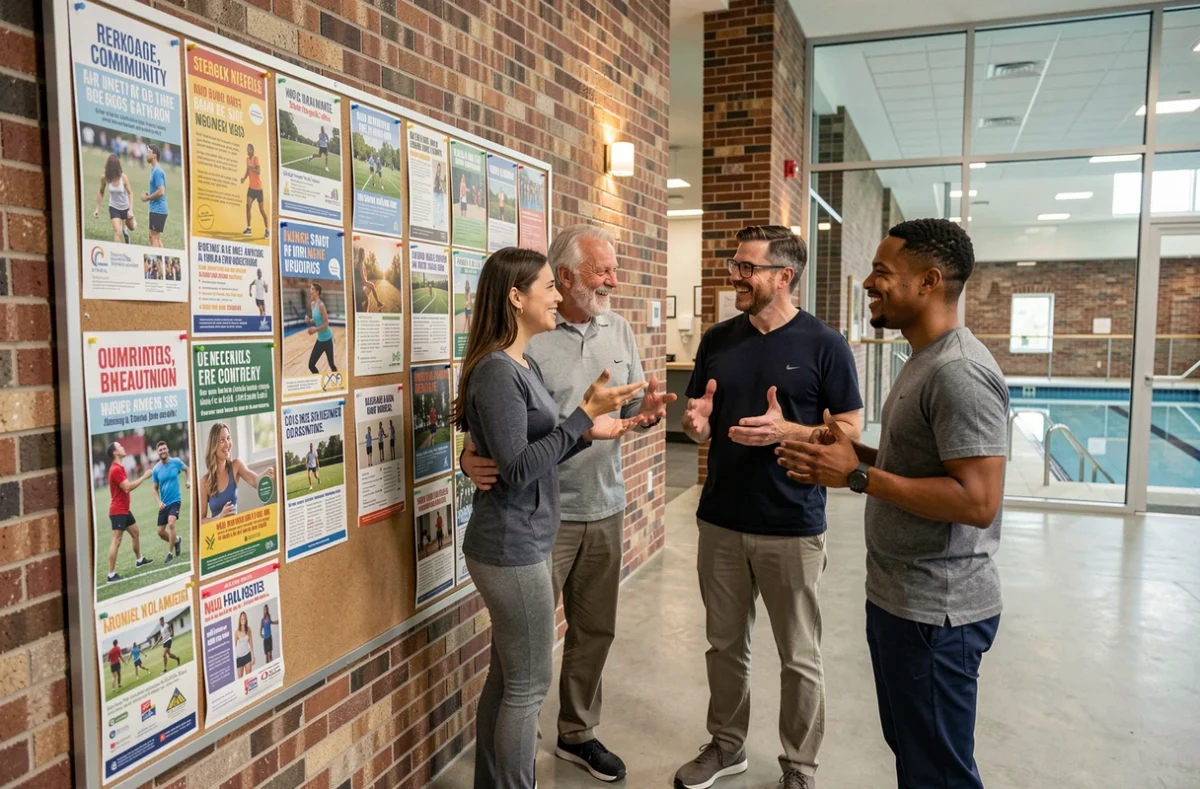
Passion and consistency: what the data can’t measure
Barometers and studies describe collective trends. They can’t capture what turns physical activity into a lasting habit for a particular person. The emotional side—the enjoyment of movement, attachment to a place, social connection with a group—is difficult to quantify.
It’s worth keeping this limitation in mind. A sport that’s “objectively” suited to your profile may not work because you don’t like the atmosphere in the class or because the journey puts you off in winter. Conversely, an activity you choose on a whim may become part of your life for years if it brings immediate, tangible wellbeing.
The best sport is the one you’re still doing six months from now. Practical considerations (health goals, budget, availability) provide the framework. The spark, however, is personal and sometimes unpredictable.