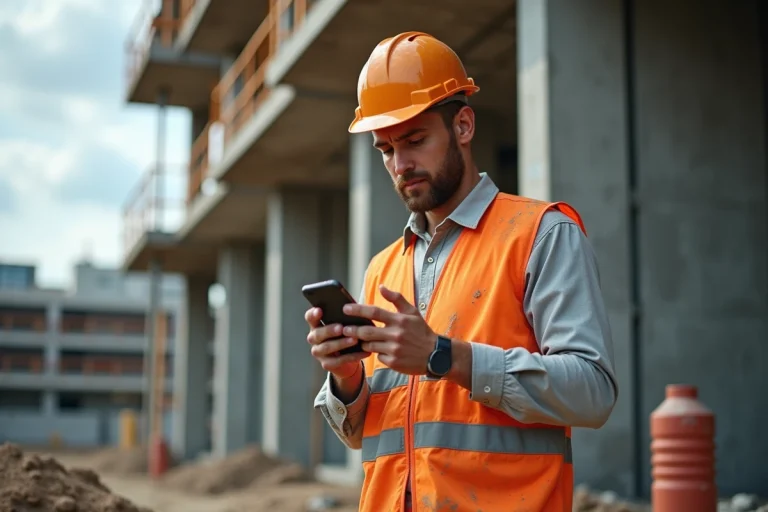
Large cities are experiencing a silent revolution thanks to mobile applications. Transportation solutions, from taxi bookings to bike-sharing, facilitate daily commutes. Users can now plan their journeys in real-time, avoiding traffic jams and saving time.
Carpooling and vehicle-sharing applications also reduce dependence on personal cars. By offering eco-friendly and economical alternatives, they help to unclog roads and reduce pollution. Technology is profoundly changing the way we move in urban areas.
The role of mobile applications in transforming urban mobility
Mobile applications are redefining urban mobility. They offer a range of services that simplify journeys while reducing ecological footprints. Among the notable players, IntraParis stands out with its intuitive user interface and innovative solutions.
Journey optimization
Users can:
- Plan their trips in real-time.
- Book taxis or ride-hailing services.
- Access bikes and scooters for rent.
These tools allow users to bypass traffic jams and choose the most effective mode of transport based on traffic conditions.
Ecological impact
Mobile applications, such as those developed by Cityway and Greenspector, support sustainable mobility initiatives. By sharing vehicles, they reduce the number of cars on the road, thereby contributing to lower CO2 emissions.
Technological innovations
The solutions offered by companies like DEVECO and Space Train go even further. The Space Train could connect Paris to Orléans in just 13 minutes, revolutionizing intercity travel. This technological advancement promises to significantly transform travel between major cities.
Regulation and public policy
The state regulates these innovations to ensure their harmonious integration into the urban fabric. Studies conducted by Chronos show that these applications facilitate mobility in cities. Stéphanie Anton, Deputy for Sustainable Development in Orléans, emphasizes the importance of these tools for effectively connecting Orléans to Paris.

The challenges and opportunities for users and communities
Municipalities must adapt to the rise of mobile applications. In London and Stockholm, urban tolls guide consumer choices by streamlining the use of private vehicles. These measures help to reduce traffic congestion and lower greenhouse gas emissions.
Robotaxis, on the other hand, pose particular challenges. In Paris and New York, they often create congestion by running empty. New York is even considering a tax to regulate their use. These autonomous vehicles, while promising, require rigorous urban planning.
Car-sharing is redefining urban public space. By freeing up parking spaces, it allows cities to be reconfigured for softer and more sustainable mobility. Local initiatives integrate these services to meet citizens’ needs while respecting environmental imperatives.
According to the UN, more than two-thirds of humanity will live in cities by 2050. This rapid urbanization demands innovative mobility solutions. Orléans, for example, is actively working on sustainable mobility solutions to improve the quality of life for its residents while meeting climate goals.
Mobile applications represent a unique opportunity to reinvent urban mobility. They provide communities with the necessary tools to transform transportation and address the environmental and social challenges of our time.